Tea History & Knowledge
History of Ceylon Tea
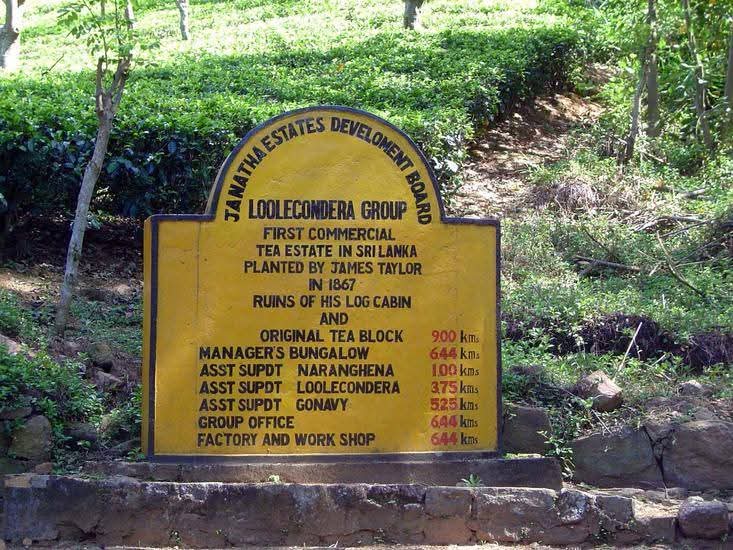
It was in 1824 that the first tea plant was brought from China by the British and planted in the Royal Botanical Gardens in Peradeniya, Kandy. It is considered to be the first non-commercial tea crop to be grown in the country. Close to two decades later, in 1867 James Taylor, a Scotsman was given the task of growing tea on just 19 acres of land in Loolecondera Estate in Kandy.
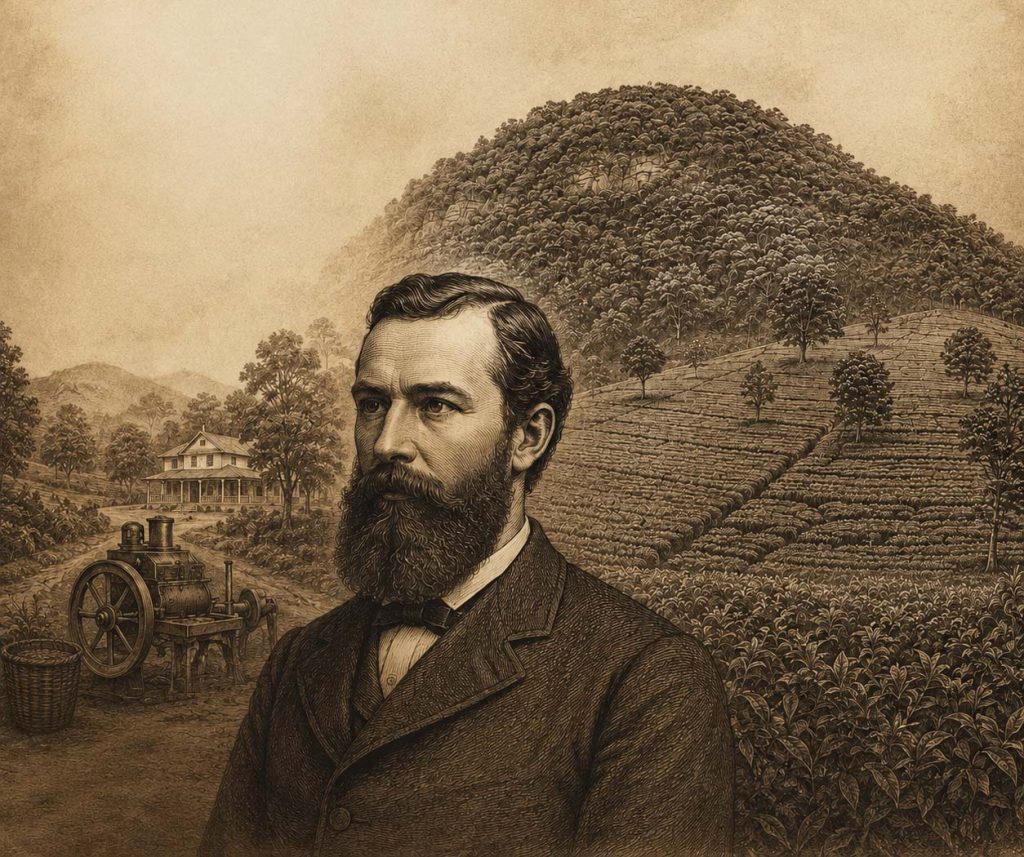
This is considered the first commercial crop of tea to be grown. With the devastating coffee blight that swept through the coffee plantations, coffee cultivators moved over to tea as an alternative commercial crop. Taylor earger to experiment with tea, soon set up his own tea ‘factory’ probably the first in the country in the verandah of his bungalow in Loolecondera Estate. Here the leaves were rolled by hand on tables and the firing done on clay stoves over charcoal fires, with wire trays to air the leaves. The end result was a delicious tea, probably the first commercial cup to be brewed. Taylor later created basic machinery for rolling the leaves, had many people to support him process the tea, and a year later he sent the 23 pounds of tea to London. Taylor continued to develop the tea industry with his innovative thinking until he died in 1892 at the age of fifty-seven
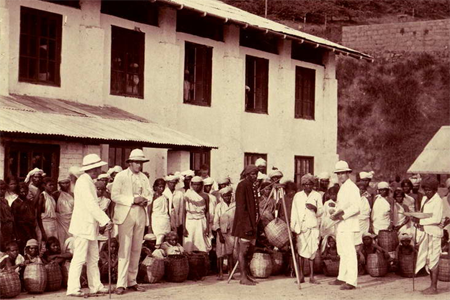
After James Taylor
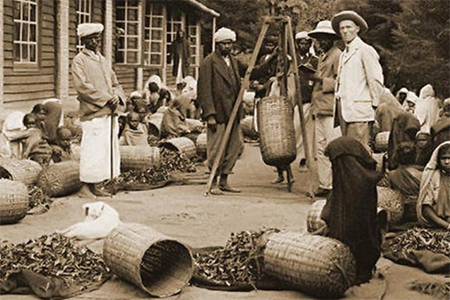
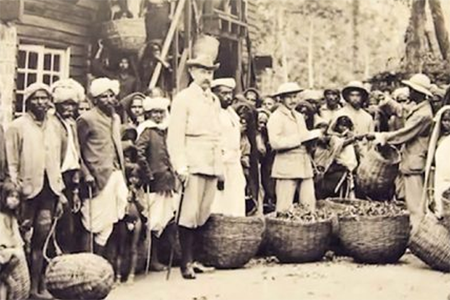
Nearly 200 years after the first commercial tea crop was planted in Sri Lanka by James Taylor, Tea production grew rapidly with all coffee plantations being converted to tea. With this the country saw a dramatic increase in tea production growing to nearly 400,000 acres in around 1899. British personalities such as Ranolph Trafford, considered a pioneer planter with vast knowledge on tea cultivation arrived in the country to work closely with the numerous tea estates. Coffee stores were converted to tea factories so as to accommodate the first “Sirocco” tea dryer by Samuel C. Davidson in 1877 and the first tea rolling machine by John Walker & co in 1880. In addition to the newly installed machinery, many new tea factories which included Fairy Land Estate (Pedro) in Nuwara Eliya were constructed along with the introduction of innovative methods of mechanization brought from England. With the popularity of tea growing it soon began selling at the tea auctions. The first such public auction was held at the premises of Somerville & Co. in July 1883 under the auspices of the Ceylon Chamber of Commerce. One million tea packets were sold at the Chicago World Fair in 1893, with tea establishing a record price of £ 36.15/pound at the London Tea Auctions. In 1894 the Ceylon tea Traders Association was formed and today most of the tea produced in Sri Lanka is vended through it and the Ceylon Chamber of Commerce. Adding further value to the industry, in 1896 the Colombo Brokers Association was formed and in 1925 the Tea Research Institute was established. By 1927 tea production in the country exceeded 100,000 metric tons produced entirely for export. In 1932 the Tea Propaganda Board was formed and in 1958 the State Plantations Corporation was established. By 1960 the tea production and exports exceeded 200,000 hectares and 200,000 metric tons respectively. In 1966 the first International Tea Convention was held to commemorate 100 years of tea in Sri Lanka. In 1996, Sri Lanka’s Tea Production exceeded 250,000 metric tons, increasing to 300,000 metric tons by year 2000. It was followed with the establishment of The Tea Museum in Kandy and in 2002 the Tea Association was formed.
Ceylon Tea, Today
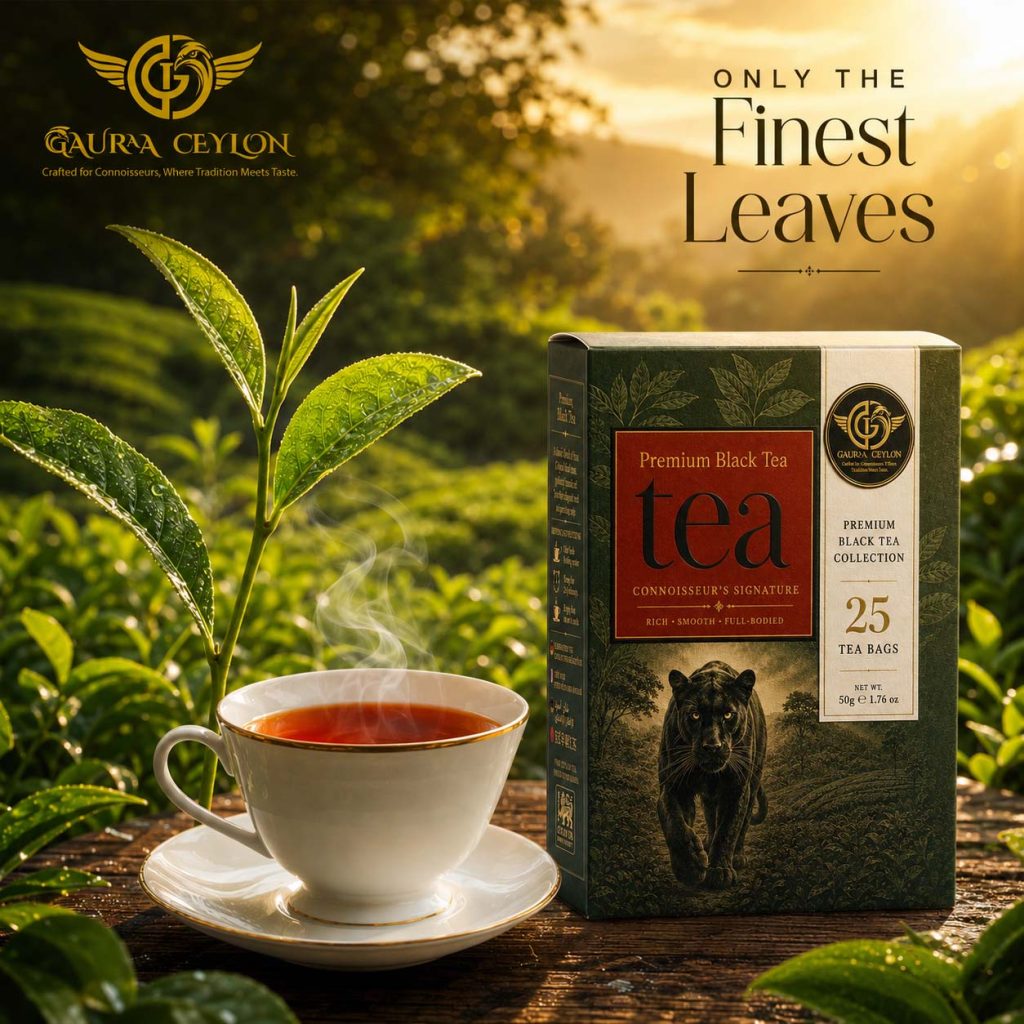
Today Pure Ceylon Tea stamped with the Lion logo that symbolizes 100% Pure Ceylon Tea packed in Sri Lanka is world renowned as the finest tea in the world. The export of tea today is one of the most important sources of foreign exchange for the country and accounts for 2% of the GDP in 2013 contributing US$ 1,527 million to the country’s economy. The industry employs over 1 million people, both direct and indirect and is the world’s fourth largest tea producer. Sri Lanka’s tea has continued to have international success despite the growing competition. The Tea industry continued to grow into 2007 and 2008. Tea production hit a record 318.47 million kilograms (702.1 million lbs) in 2008, up from 305.2 million kilograms (672.9 million lbs) produced in 2007. In 2008 export earnings struck a record high of $1.23 billion for the full year, up from $1.02 billion in 2007. Tea is today synonymous with Ceylon and no Tea gathering is complete without an invigorating cup of Pure Ceylon Tea.
The first historical mention of a tea auction is “the London Tea Auction” which was held as early as 1680. It was developed gradually and by 1950, one third of the world tea production was auctioned in London. Its Sri Lankan equivalent, Colombo Tea Auction commenced activities in 1883.
The Colombo Tea Auction has humble beginnings.
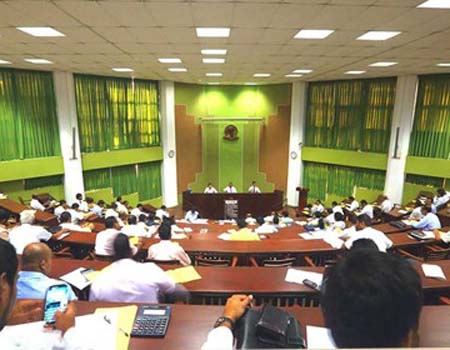

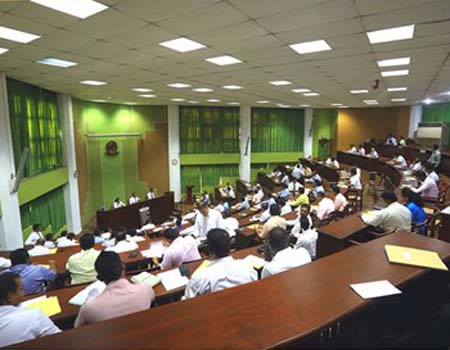
The first auction was moderately successful; only one lot of tea was sold due to receiving bids of a lower price range than expected. But everything has a first; suppliers and tea-lovers believed this and persevered in making the tea auction a reality. With their hard work, by 1885 auctions were conducted in a regular manner in Colombo.
The Ceylon Chamber of Commerce was set-up in 1839. Members of the Chamber initiated the “Colombo Tea Trader’s Association”. Having tea traders’ best interests in heart, the association developed a formal procedure for tea auctions. Today, the Colombo Tea Auction is crowned as the oldest active auction for tea, as the London auction has been discontinued.
The Colombo Tea Auction has evolved from one-day-per-week, held at a single place, to three simultaneous auction venues, on two days of the week. The new “Tea House” is in Navam Mawatha, Colombo 2.
Groundwork for tea auctions commences two weeks prior to the auction date. Tea samples of two ounces each are gathered, and delivered to the potential buyers via the tea brokers. The buyers then appraise the tea samples by their appearance, aroma, taste and texture. These characteristics decide the bidding price for the next auction day. This preparation is carried out by the tea tasters who are entrusted with the vital mission of preparing a vast array of tea varieties for the auction. Due to the rising demand from the customers who favour different tea types, the officials are tasked with handling a large selection of samples, which is not an easy task. In the year 2020 alone, even with the pandemic more than 265 million kilos of Ceylon black tea and other varieties were traded in the Colombo Tea Auction.
Tea auctions are held every Tuesday and Wednesday of every week year-round, breaking only for the New Year and Christmas celebrations. Close to 6.5 million tea kilos are auctioned off weekly in the Colombo Tea Auction.
Annual production of Ceylon tea is close to 300,000 metric tons; out of this 90% is exported globally via the Colombo Tea Auction. Its capacity to handle 6,000-7,000 metric tons of tea per week is astonishing. The Colombo Tea Auction houses eight representatives of tea brokers and a considerable gathering of buyers to carry out an “out-cry” auction which remains the tradition from the first auction held in 1883.
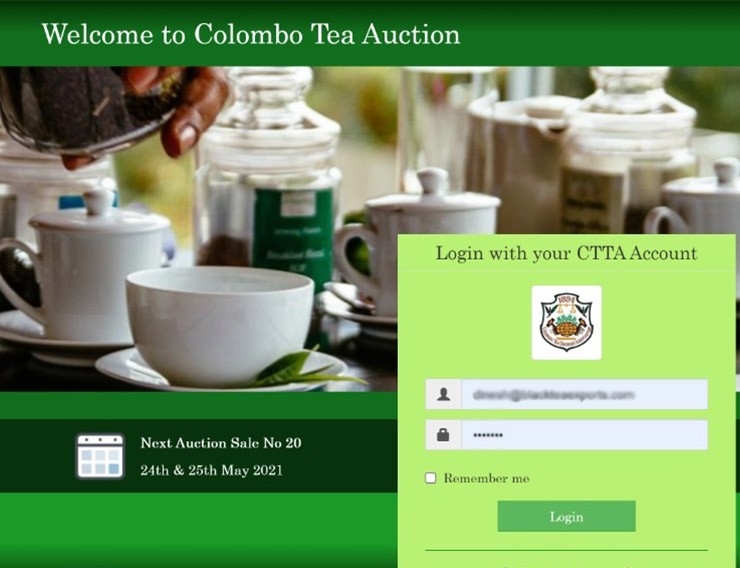
The Colombo Tea Auction boasts of an efficient and standardized process. After the Colombo Tea Traders Association (CTTA) formalized the rules and regulations in 1894, terms and conditions as well as the bylaws were formally ratified by all parties relevant. It is the responsibility of the CTTA to watch over and update them accordingly.
With more than 150 years of experience in brokering and auctioning tea, the Colombo Tea Auction had to pause a while when the world was hit by COVID. They have been able to conquer the situation by adopting an e-auction – the first online tea auction in Sri Lanka – on the 4th of April 2020.
From the first tea bush planted in the Peradeniya Royal Botanical Garden to the rolling hills of greenery today, tea in Sri Lanka has a story to tell. It tells the story of rising altitudes of the Upcountry Mountains, ample sun shine in the low country tea estates, the rich, fertile soil in between these two, and people everywhere in the island who love and cherish their tea. After Sri Lanka became a ceded colony under the British the valleys around the central highlands- which is the city of Kandy today- were used to grow coffee, which within a short period of time was changed to tea. It then spread farther and now occupies several provinces in the island.
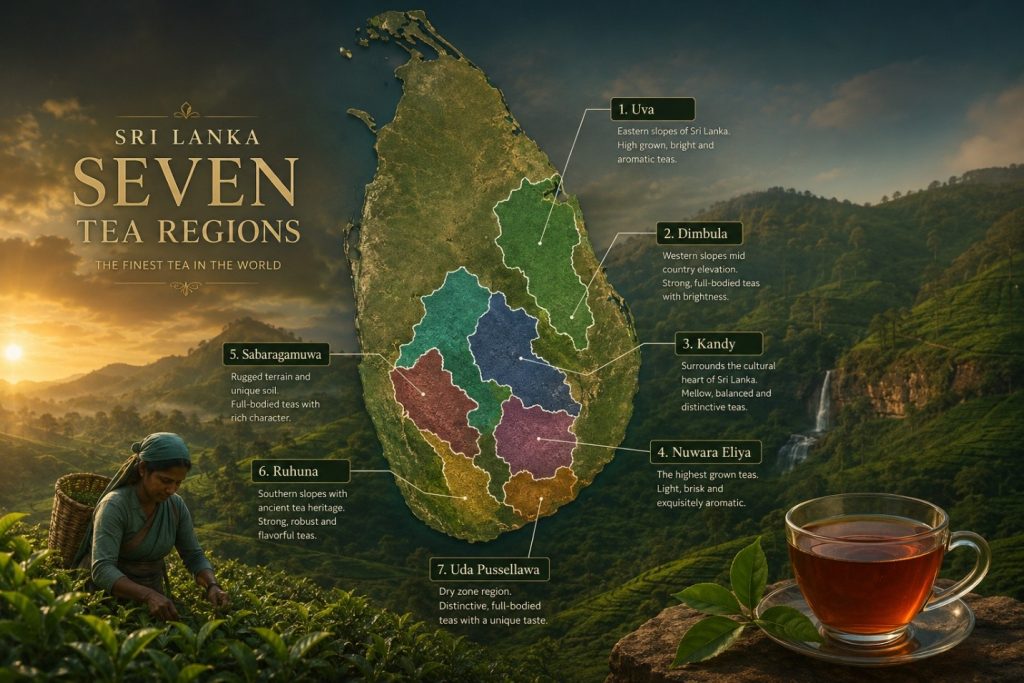
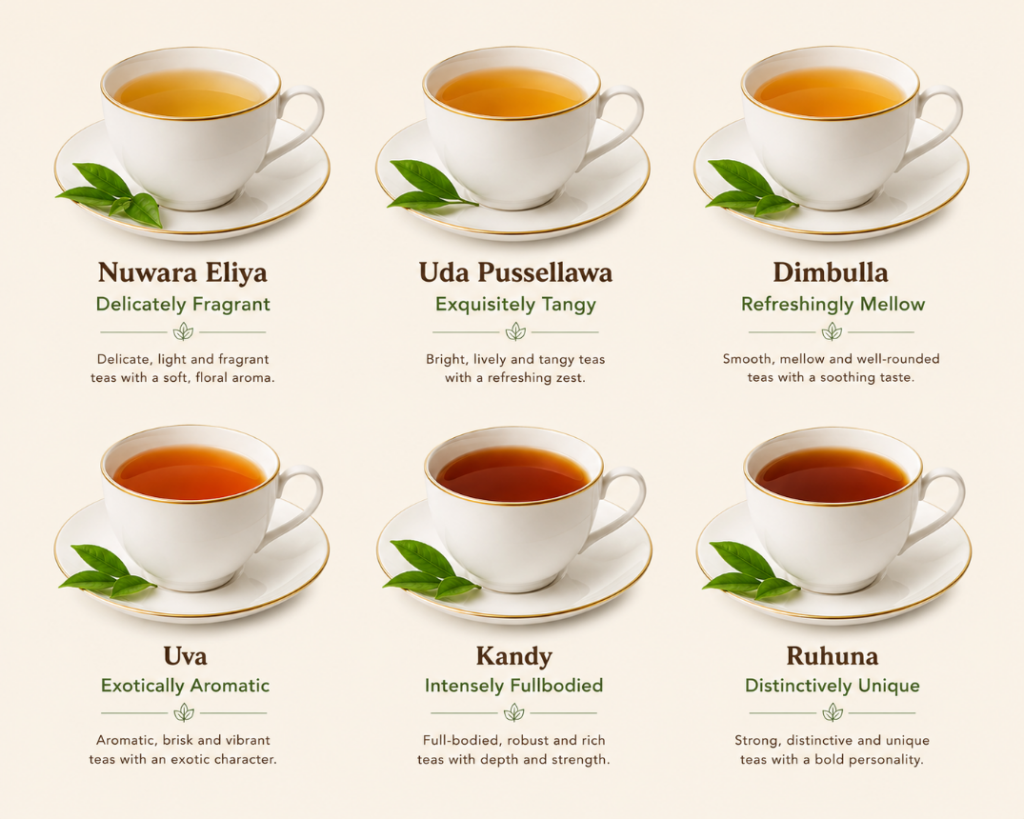
Ceylon Tea is grown in three main areas; hill country, mid-country and low country. The Central province, which encompasses Kandy, Nuwara Eliya and Matale districts is situated at an elevation up to 6000 feet. Uva Province covers the districts Badulla and Moneragala and is situated 4695 feet above the sea level. Tea from Nuwara Eliya and Badulla, Bandarawela area are known to be some of the best Ceylon black tea in the world. The aroma from these highland teas is one of a kind and has won many a heart of tea lovers. Eastern hills of the Uva province is well known for their tea with a strong pungency. This tea also emits a stimulating aroma which is unique to Ceylon black tea from Uva. The special micro climate in Uva, with its high elevation, light sunshine, and low humidity, creates an ideal environment for this special types of tea. Tea from Dimbula and Uda Pussellawa also come under distinct highland teas from Sri Lanka.
Mid country tea comes from heights of 2000 to 4000 feet above sea level. Tea from Kandy and surrounding areas are categorized under this classification. Americans and Australians prefer this black tea varieties mostly for its full-bodied character and dark reddish-brown or “coppery” hue of colour. It is a bit lighter than the stronger low country tea, but its taste is no less wonderful. The slopes situated among the western side of the island, succumb to the cool weather with low humidity during the first few months of the year and produces Ceylon black tea with unique characteristics.
Tea from the low country comes from Sabaragamuwa and Southern provinces, namely Ratnapura, Galle and Matara districts. Yield-wise, Central and Southern provinces produce the most tea. This “low country” is also not so low in altitude, going up to 2000 feet from the sea level. Tea from these areas are distinctly “long leafed”. The Ceylon black tea it produces is mostly popular in the UK, Eastern European countries such as Russia, Ukraine, Belarus and Georgia and of course, the Middle East. When brewed, these tea leaves bring about a wonderful wine or purplish-red colour tea with malty and caramel flavours. This caramel or “burnt” taste is the acquired taste for Ceylon black tea in the Middle East.
Even though separated by their geographical differences, Ceylon Tea leads as one when it comes to the unique, delicious taste and appetising colour, not to mention the strength of the beverage. Sri Lankan tea is well known for its herbal qualities as well as the delight it brings in a cup, at the end of a tiresome day.
Orthodox Teas
Black Tea - Main Grades
- BOP - Broken Orange Pekoe - Small or broken pieces of leaves
- BOPF - Broken Orange Pekoe Fanning’s - Smaller than BOP leaves, broken leaf, slightly larger than dust
- OP - Orange Pekoe – Same Style but small than OPA
- FBOP - Flowery Broken Orange Pekoe - Same style of BOP but slightly bigger in size and consisting few tips
- Pekoe - Twisted and Coarse
- Pekoe1 - Same style, but small in size than the Pekoe
- OPA - Orange Pekoe ‘A’ - A good quality tea, consisting of large and slightly open leaf pieces
- OP1 - Orange Pekoe One – More Wiry than OP
- BOP1 - Broken Orange Pekoe one – Wiry and small than OP1
- FBOP1 - Flowery Broken Orange Pekoe one - Little small than the BOP1
- FBOPF - Flowery Broken Orange Pekoe Fanning’s - Similar to the BOP leaf but firm leaf and consisting few tips
- FBOPF1 - Flowery Broken Orange Pekoe Fanning’s one – Similar to the BOPF but firm leaf and consisting Little more tips then FBOPF
- FBOPFSP - Flowery Broken Orange Pekoe Fanning’s Special - Similar to the FBOPF1 but firm and more black leaf with much better tips, prices are high
- FBOPFEXSP - Flowery Broken Orange Pekoe Fanning’s Extra Special – Similar to FBOP1 but firm and more black leaf with much better leafy tips, expensive than
- D - Dust - Similar to D1 but will appear slightly brown powder leaves price must be low
- D1 - Dust 1 - The smallest of particles smaller than Fanning’s leaves
CTC Teas (cut, tear, curl)
- BPS - Broken Pekoe Special – Even curl pieces
- BP1 - Broken Pekoe 1- Little smaller then BPS
- BPL - Broken Pekoe Leaf – Even leaf pieces
- PF1 - Pekoe Fanning’s 1 – Similar to BP1 but small pieces
- BPL - Broken Pekoe Leaf – Even leaf pieces
- PD - Pekoe Dust - The smallest of particles smaller than PF1 leaves
White Tea
- Silver Tips - These teas are small, unopened leaves of the tea plant. These tips are also commonly known as "buds," although they do not form flowers and also appear silver mixed white color
- Golden Tips - Similar to silver tips color appear as gold mixed white
Off Grades
- BOP 1A - Broken Orange Pekoe one A– Weight Less Large leaves
- BM - Broken Mix – Smaller then BOP 1A’s
- FNGS - Fanning’s broken leaves, slightly larger than dust
- FNGS 1 - Fanning’s broken leaves, slightly larger than FNGS
- PFNGS - Fanning’s broken leaves, slightly larger than dust
- PFNGS 1 - Fanning’s broken leaves, slightly larger than PFNGS
- BP - Broken Pekoe - Broken Stems
Off Grades
- CH - Chunmee - Curl twisted pieces smaller then GP Sp
- GP1 - Gun Powder 1 - Twisted and Coarse similar to Pekoe but color must be green
- GP2 - Gun Powder 2 – Little opened coarse slightly bigger then GP1
- GP - Sp Gun Powder Special – Bloom Curl twisted pieces bigger then CH
- GC - Green Curl - Opened coarse more dark color leaves
- SW - Sowmee - Even and neat opened pieces
- Sencha - consists of tiny dark green needle - shaped pieces
- GTFF - Green Tea Flowery Fanning’s - Similar to the BOPF firm leaf but Green color consisting little tips
- GTFF1 - Green Tea Flowery Fanning’s 1 - Similar to the GTFF but little bigger in size
- GRP - Green Tea Powder – Powder type tea last part of the manufacture
Main Grades- Small Leaf Tea
Broken Orange Pekoe (BOP)

A popular leaf size which helps to bring out a good balance of taste and strength. Well made, neat leaf of medium size without excessive stalk or fiber. There should not be any fine particles (fanning & dust) which are not true-to-grade.
Broken Orange Pekoe Fanning (BOPF)
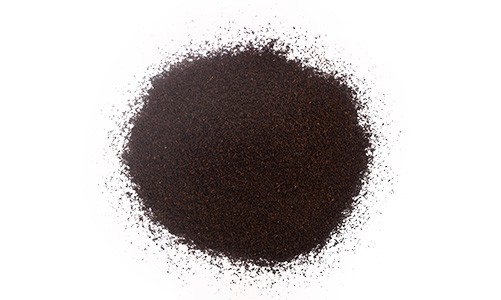
Particles are smaller than BOP, popular in the higher elevations. Taste stronger than BOP whilst retaining all other characteristics.
Flowery Broken Orange Pekoe Fanning (FBOPF)

Flowery Broken Orange Pekoe Fanning’s – similar to BOP leaf but firm leaf consisting few tips.
Flowery Broken Orange Pekoe Fanning One (FBOPF1)

A typical low country semi-leaf tippy teas, similar to BOPF but firm leaf consisting little more tips than FBOPF.
Flowery Broken Orange Pekoe Fanning Special (FBOPFSP)

Flowery Broken Orange Pekoe Fanning’s special – similar to FBOPF1 but firm and more black leaf with much better tips.
Flowery Broken Orange Pekoe Fanning Extra Special (FBOPFEXSP)
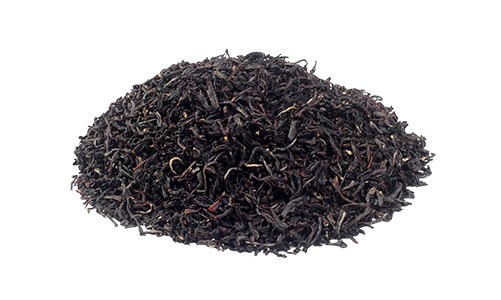
A whole leaf tea with an abundance of long tips, similar to FBOP1 but firm and blacker leaf with much better leafy tips.
Flowery Broken Orange Pekoe (FBOP)
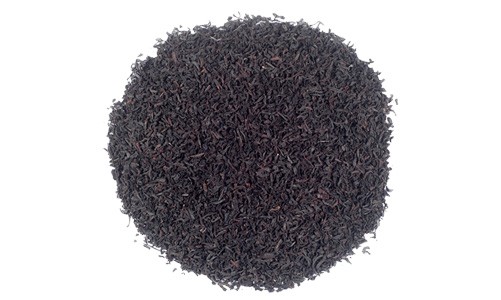
Smaller than BOP1 with presence of tips, but larger than FBOPF1
Flowery Broken Orange Pekoe One (FBOP1)
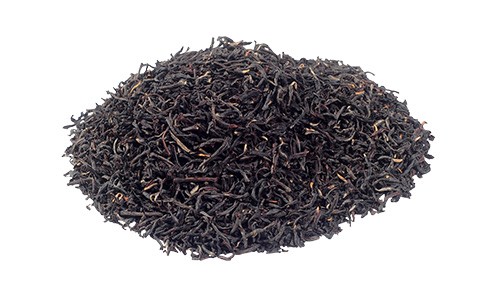
Long twisted wiry leaf, fairly tippy. Longer than BOP1.
Dust (D)
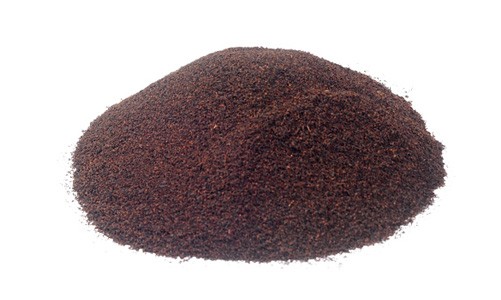
The smallest of particles left after sifting which is often used in tea bags to infuse rapidly and make a brew that is strong and robust.
Dust One (DUST1)
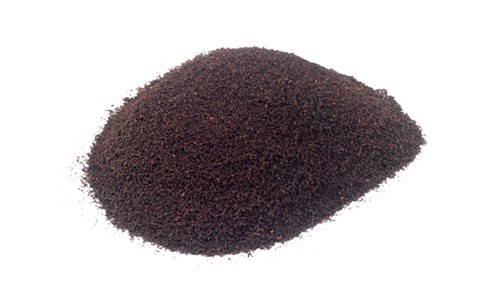
Less grainy than PD & clean.
Main Grades- Leafy
Broken Orange Pekoe One (BOP1)
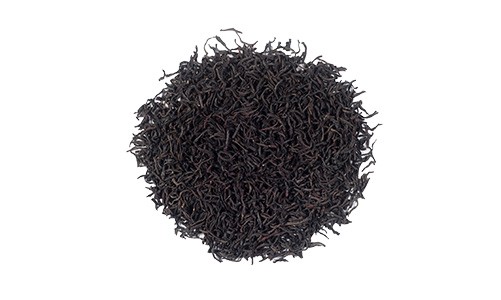
A well twisted semi-leaf tea generally from the low country, with a mild malty taste.
Orange Pekoe One (OP1)
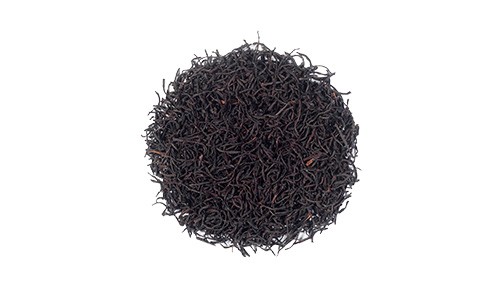
Long, wiry well or partly twisted tea.
Orange Pekoe (OP)
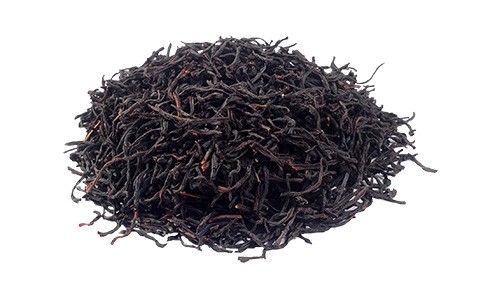
A whole leaf, well twisted tea. A delicate brew that varies in taste according to the different districts. Less wiry than OP1, but much more twisted than OPA.
Orange Pekoe ‘A’ (OPA)
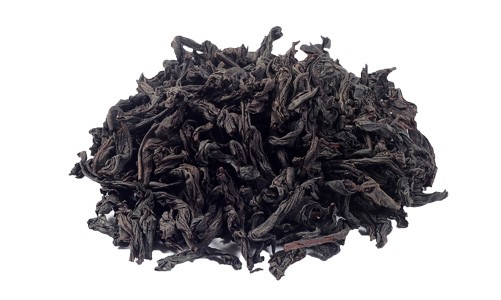
Long bold leaf tea with air twist consisting of large and slightly open leaf pieces.
Pekoe (PEK)
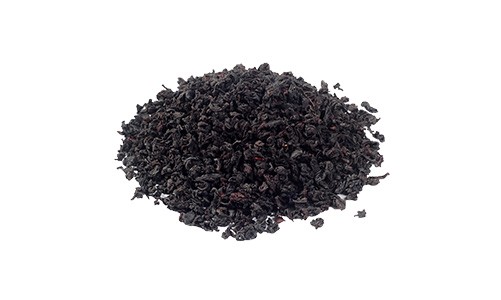
Twisted and Coarse tea.
Flowery Pekoe (PEK – 1)

Similar to Pekoe but smaller in size.
Golden Tip (GT)

The (white tea) leaves of our Golden Tips tea are dried naturally. Lingering in sweetness due to hints of honey and pine, this light amber-hued liquor is also high in antioxidants.
Silver Tip (ST)
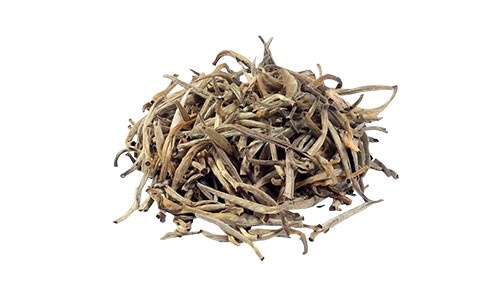
Similar to above made out of the buds but in silver colour.
C.T.C. (Cut, Tear & Curl)
Broken Pekoe One (BP1)

A larger size leaf with bold round particles giving a full body’s bright tea. Equivalent to size of high grown BOP, but granular.
Pekoe Fanning One (PF1)
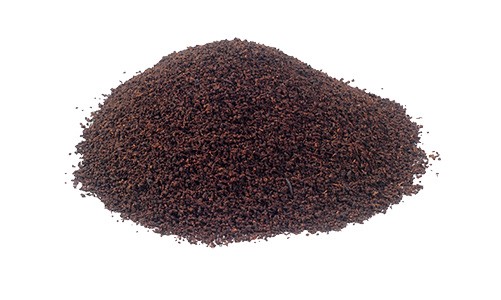
A smaller size leaf with strong tasting tea. Equivalent in size to grainy high grown BOPF, but granular.
Off Grades
Pekoe Fanning (PFGS)
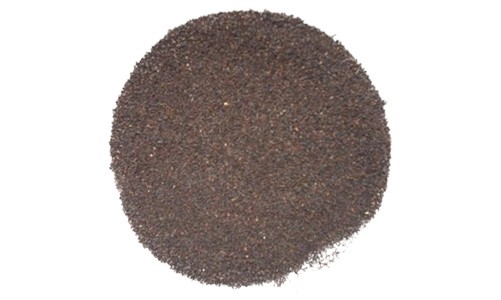
Fanning’s broken leaves, slightly larger than dust.
Broken Pekoe (BP)
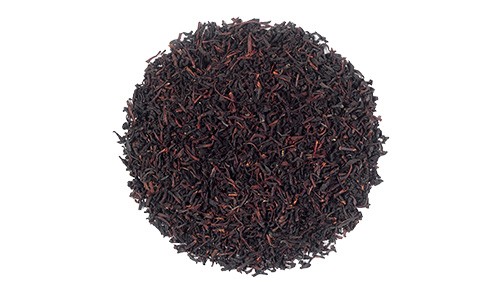
Broken Stems, choppy, hard leaf tea.
Broken Orange Pekoe One ‘A’ (BOP1A)
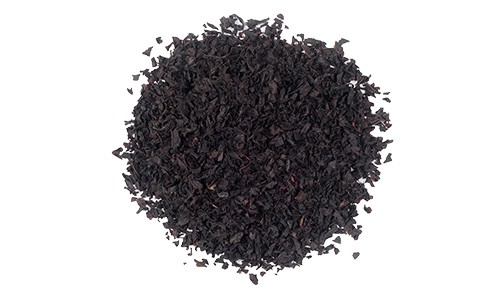
Flak leaf without stalk and fiber. (Clean tea)
Green Tea
Chunmee (CH)
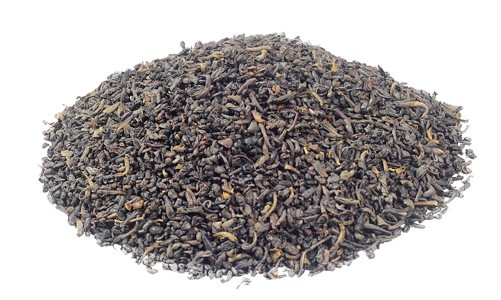
Chun Mee is a popular green tea. It has a dusty appearance and is generally more acidic and less sweet than other green teas. The tea is divided into several grades with numbers.
Gun Powder One (GP1)
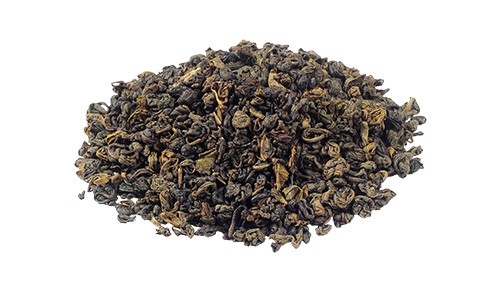
Flavor varies according to the growing location of tea used for production. Its English name comes from its resemblance to grains of gunpowder. When buying gunpowder tea it is important to look for shiny pellets, which indicate that the tea is relatively fresh. Pellet size is also associated with quality. High quality gunpowder tea will have small, tightly rolled pellets.
Gun Powder Two (GP2)
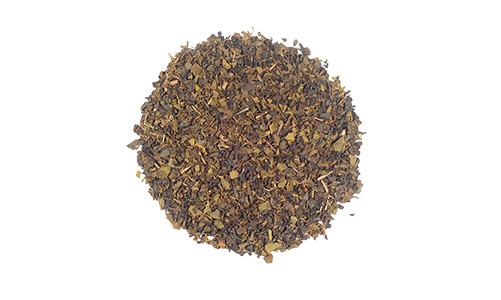
Little opened coarse slightly bigger then GP1.
Gun Powder Special (GP -SP))
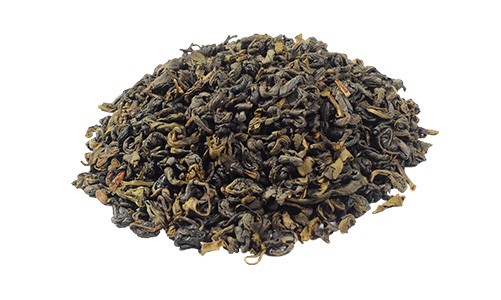
Bloom Curl twisted pieces of leaf.
Young Hyson (YH)

Similar to OP but colour must be green.
Green Curl (GC)
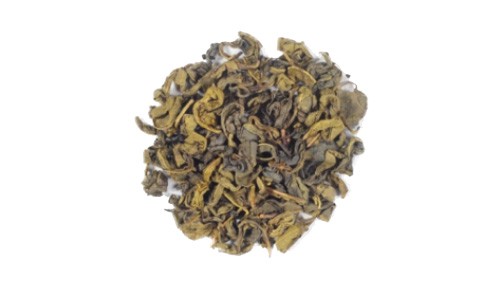
Opened coarse more dark colour leaves .
Sowmee (SW)
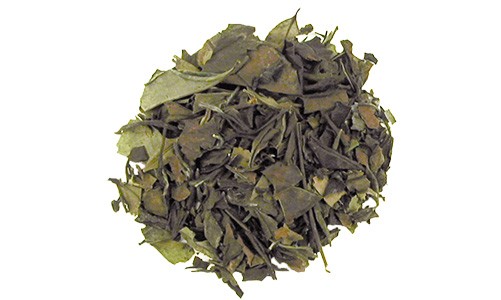
Even and neat opened pieces.
Green Tea Flowery Fanning (GTFF)

Similar to the BOPF, firm leaf but green color consisting little tips.
Green Powder (GRP)
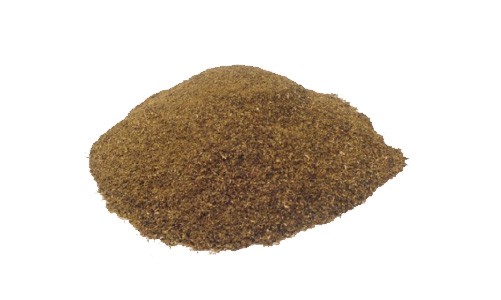
Powder type tea last part of the manufacture.
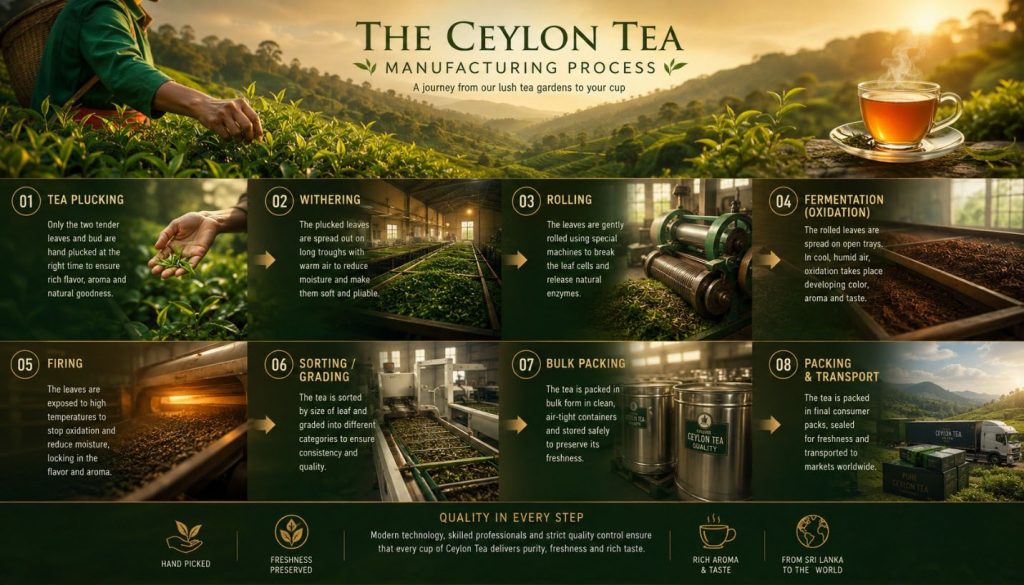
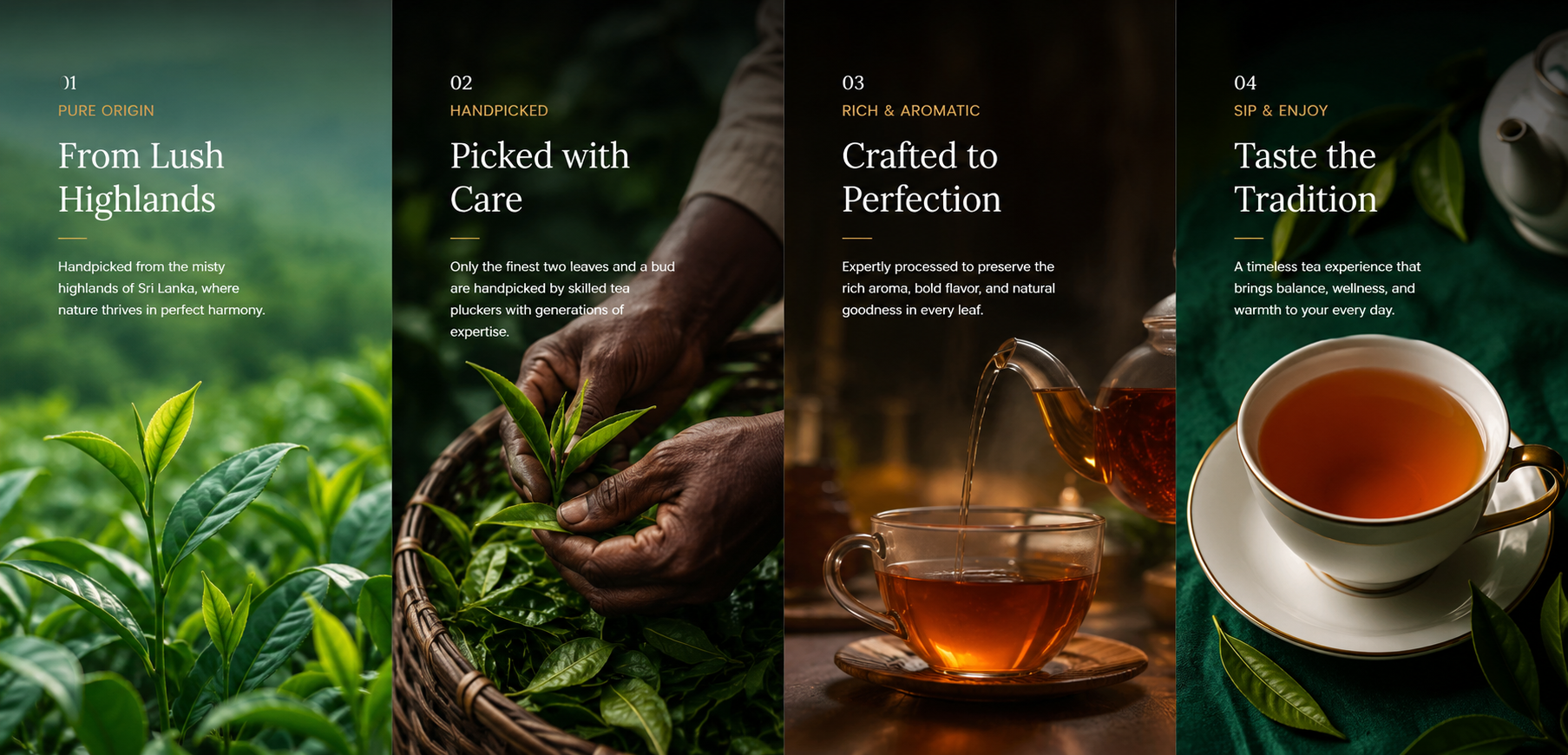
In the mist-covered mountains and rolling green valleys of Sri Lanka, tea is more than a beverage — it is a living heritage shaped by nature, craftsmanship, and generations of expertise. From the cool highlands of Nuwara Eliya to the rich low-grown estates of Ruhuna, every cup of Ceylon Tea carries the character of the land where it was born.
The journey of authentic Ceylon Tea begins across the seven renowned tea-growing regions of Sri Lanka: Nuwara Eliya, Kandy, Uva, Uda Pussellawa, Dimbulla, Sabaragamuwa, and Ruhuna. Each region possesses its own unique altitude, rainfall, temperature, soil acidity, and moisture composition. These natural variations create distinct flavors, aromas, body, and color profiles that make Ceylon Tea one of the most celebrated teas in the world.
In the cool early mornings, skilled tea pluckers move carefully through the lush plantations, harvesting only the finest “two leaves and a bud.” This traditional hand-plucking method is one of the most important secrets behind the premium quality of Ceylon Tea. Each tender leaf is selected at the perfect stage of growth to preserve the delicate enzymes, essential oils, and natural antioxidants that contribute to the tea’s flavor and health benefits.
Once harvested, the fresh green leaves are transported swiftly to the tea factory. Speed is essential because freshly plucked tea leaves are highly delicate and naturally rich in antioxidants. Preserving freshness is a top priority throughout the manufacturing process.
Inside the factory begins a carefully controlled transformation that combines science, precision, and generations of tea-making expertise.
The first stage is withering, where fresh leaves are spread across long ventilated troughs. Cool air circulates through the leaves for several hours, gently removing excess moisture while softening the leaf structure. This process prepares the leaves for rolling and helps develop the tea’s future aroma and flavor complexity.
Next comes rolling, where the softened leaves are gently twisted and bruised using specialized rollers. This crucial stage breaks the leaf cells and releases natural enzymes, beginning the oxidation process that gives black tea its rich color, bold character, and signature taste.
The leaves are then spread out for oxidation, often referred to as fermentation in tea manufacturing. During this stage, oxygen reacts naturally with the enzymes in the leaf, gradually turning them from green to coppery brown. It is here that the tea develops its distinct aroma, brightness, strength, and flavor profile. Tea masters monitor this stage with exceptional care, as timing and environmental conditions directly influence the final cup quality.
Once the ideal oxidation level is reached, the tea is exposed to controlled heat in the drying or firing stage. This stops oxidation permanently and reduces the moisture content to ensure long shelf life while locking in flavor and aroma. The dried tea leaves now possess the deep dark appearance associated with premium black tea.
After drying, the tea is carefully graded and sorted according to leaf size and appearance. Contrary to common belief, grading does not determine quality but rather the style and brewing characteristics of the tea. From whole leaf grades to broken leaf varieties, each category offers a different tea-drinking experience.
The finished tea then undergoes a strict quality control process carried out in modern automated factories supervised by highly trained professionals and tea tasters. Every batch is evaluated for color, aroma, strength, cleanliness, and consistency to ensure it meets the exceptional standards associated with genuine Ceylon Tea.
Finally, the tea is packed immediately in air-tight containers to preserve its freshness, natural aroma, and vibrant taste. Great care is taken to protect the tea from moisture, light, and external odors so that every cup delivers the authentic experience of freshly crafted Ceylon Tea.
The result of this remarkable journey is a tea admired by connoisseurs around the world — a tea known for its brightness, richness, freshness, and unmistakable character. Every sip of Ceylon Tea tells the story of Sri Lanka’s mountains, climate, people, and timeless dedication to excellence.
The Sri Lanka Tea Board was launched in 1976 by combining several tea-related institutes and departments under the Sri Lankan government. Goal of the SLTB is to promote, regulate and develop the tea industry in the island.
The Sri Lanka Tea Board is responsible for improving the cultivation via helping the production of tea leaves, providing replanting tips, restoring old tea estates and small-holder tea cultivations, and more. They also assist with constructing or helping to construct tea factories and overseeing their operations.
The full cycle of tea production – from planting tea saplings to plucking and end-processing – is observed and appraised thoroughly to ensure high quality, pure Ceylon tea. The board employs staff to watch over the storage, shipping and sales aspects of Ceylon tea. Their experts provide valuable advices on the right blending techniques for Ceylon black tea, infusing additives and suitable storage.
The Sri Lanka Tea Board provides monetary support to horticultural and agricultural specialists who are adept at conducting extension programmes on post-harvest technology, production enhancement, and assistance with regards to chemical and sensory analysis. They facilitate these resource personnel to reach not only the large-scale tea growers but also the small tea holders in the country who are growing Ceylon black tea.
The Sri Lanka Tea Board is responsible for all types of promotional activities. They take the Ceylon Tea brand name to the world via numerous promotional programmes such as exhibitions, seminars and trade fairs. They ensure the buyers are interested and willing to buy more of our tea.
The “Tea Board” as it is known in short term, compiles market data and additional relevant information on the tea industry of Sri Lanka. Any interested party can obtain the statistical data from the tea board website.
The Sri Lanka Tea Board operates under six key departments. Their head office is situated in Colombo 3 and officials there take care of all the functions such as planning, administration and island-wide coordination. Sri Lanka Tea Board hosts a showroom at the same venue to sell good quality, branded tea, along with some tea-inspired goodies.
The promotions arm of the Sri Lanka Tea Board supports different name brands locally as well as internationally. They may join with major suppliers, exporters and distributors to launch marketing and advertising campaigns for Ceylon tea. If any wrong information has gone out, it is their responsibility to correct it. Relevant sales data and market information can be requested from the promotions arm; they carry out retail sales and sampling as part of their marketing activities. An important part of the promotions division is managing the Tea Museum situated in the hill country capital of Kandy.
Tea commissioner’s division operates via seven regional offices to help with tea cultivation, manufacturing of finished tea and improve the quality of the Ceylon black tea and other tea products.
An interesting part played by the Tea Board is tea tasting. SLTB tea tasting panel assesses different samples to decide if they meet the right quality. If the samples fail, the brand name owners will not be permitted to use the significant sign of the lion logo. SLTB employs a highly eminent panel of tea tasters in Sri Lanka.
In addition to these, the intelligence division collects, analyses and shares relevant market as well as industry-related data and the export division administers tasks related to exporting such as warehousing and packaging. SLTB laboratories test and certify Ceylon tea according to ISO/IEC17025 standards.

The Sri Lanka Tea Exporters Association or “T.E.A.” is a collection of well-meaning tea exporters who got together with the vision of making Sri Lanka the sought after tea nation of the world. Due to the denationalisation of state-owned tea estates in 1990s, private tea estate owners increased in number.
They formed the T.E.A. to work in collaboration towards sustainability of the tea industry in Sri Lanka. A key component of their mission is to work with fellow growers, processers, exporters and other related bodies to boost the tea production and increase the country’s economic gains.
The Sri Lanka Tea Exporters Association was formed with the goal of creating a favourable environment for the tea exporters by proposing suitable regulatory actions to the government departments and related institutes. They aim to support the efforts of the government and industry as a whole to improve the tea production and income. The Sri Lanka Tea Exporters Association has plans to create equal opportunities to all who are engaged in the export of tea. That objective is fulfilled via ensuring all teas manufactured in Sri Lanka are traded via the proper methods.
Xerox8888 forms and maintains important ties with international bodies so they can sustain and promote the Ceylon tea brand around the world. They continuously evaluate competitor activities to ensure Sri Lankan tea gains the number one place and stays there, indefinitely. The logo of the lion, portraying the excellence of Ceylon tea is a unique Sri Lankan emblem and the T.E.A. works effortlessly to maintain the standard signified by it.
Success of the Sri Lanka Tea Exporters Association was noticed by the policymakers and the members were invited to play a more representative role from 2001. They now serve as part of the director board of the Sri Lankan Tea Board and have placed themselves in the role of the spokesperson for the tea exporters. Due to the prominence of T.E.A.’s accomplishments it is now being monitored and regulated by the National chambers of commerce, governmental bodies and the ministry itself.
The Sri Lanka Tea Exporters Association members claim ownership of more than 85% of the tea exported from Sri Lanka. The group of businessmen gather every year to appoint a chairman and two deputy chairmen, along with committee members who represent twenty large-scale tea producers and several medium and small scale producers.
As their participation signifies a strong drive from the tea manufacturers’ alliance, the T.E.A. was invited to back the project by the government to increase the export volume of tea and improve the dollar revenue to 3-5 billion USD by the end of 2020. Although the COVID pandemic made them pause a while, the tea production and improvement tactics have restarted, and are going strong.
Similar to the Tea Board, the Sri Lanka Tea Exporters Association also contributes to the development of tea growers and exporters via several initiatives; they document the recommendations of strategy and tactics to win the challenges of tomorrow, organise seminars, knowledge sharing sessions and workshops on problems faced by the industry and possible solutions, and most importantly presents budget proposals for the budget of Sri Lanka via the ministry of finance. They have dealt with foreign missions regarding several issues of importing low quality tea. At the Annual General Meeting of the Sri Lanka Tea Exporters Association you can listen to world renowned tea experts’ speeches and mingle with the “tea folk” of the country.
The tea industry was formerly inaugurated in 1867 with the first tea estate Loolecondera, established by James Taylor himself. By the by early 1890s there were a considerable amount of tea produced and suitable measures to regularise the process became necessary.
By the request of tea producers, the Ceylon Chamber of Commerce formed the Colombo Tea Traders’ Association (CTTA) in 1894. Main objectives of the CTTA were to oversee and manage the business of the tea trade as well as to regulate sale of tea in a more efficient and formal manner.
One of the first tasks of the Colombo Tea Traders’ Association was to embark on compiling a set of standards to facilitate tea sales in a systemic manner.
Further to the formation of the CTTA the Colombo tea auction was officiated and the association was given the duty of taking the tea business as well as the tea auction forward. They endeavoured to ensure the condition of the country was best suited for growing and selling tea, attaining the best prices for Ceylon black tea, and to maintain proper standards of quality.
The Colombo Tea Traders’ Association agreed in 1898 that its committee will constitute of four buyers and sellers each, and the chairman of Ceylon Chamber of Commerce will act as the chairman of the CTTA.
As the members of the Colombo Tea Traders’ Association were more familiar and expert in tea knowledge, even the government turned to them to determine statutory measures and sort industry disputes with regards to tea. Sri Lanka Tea Board (SLTB) was inaugurated in 1976 and was appointed as the official authority to regularise the tea industry. They undertook the Colombo tea auction, as by then almost 100% of the tea production was owned by the government. Nevertheless, they naturally allowed the Colombo Tea Traders’ Association to continue with the tea auction functions, as they were the experts in it. Later CTTA’s right to manage the tea auction was formalised via a Gazette Extraordinary.
Further to the privatisation of tea estates in the 1990s, the Colombo Tea Traders’ Association was revived and they participated actively in the business and industry. They had formed a more visionary goal to bring about efficiency to the Ceylon tea trade. Its committee composition changed from four to five buyers and sellers each- selected through a secret vote-, and a representative of the brokers. They met once a month and discussed the issues of the tea industry and tried to search for solutions.
The Colombo Tea Traders’ Association celebrated their 125th anniversary in 2019. Their future goals contain the vision of completely automating the Colombo tea auction system to make it more efficient and effective. They also expect that it will bring about more transparency to the value chain and integrity to the tea trade. Another objective of the Colombo Tea Traders’ Association is to develop skills of people engaged in the tea trade.
The Colombo Tea Traders’ Association has the best interests of Sri Lankan tea trade in their hearts. They are held in high regard by the international community. The Colombo tea auction managed by the CTTA is considered a model tea auction of the world, not to mention the oldest one with a single origin tea. Many tea professionals make it a point to visit the Colombo tea auction to witness the efficient processes and learn from the best.
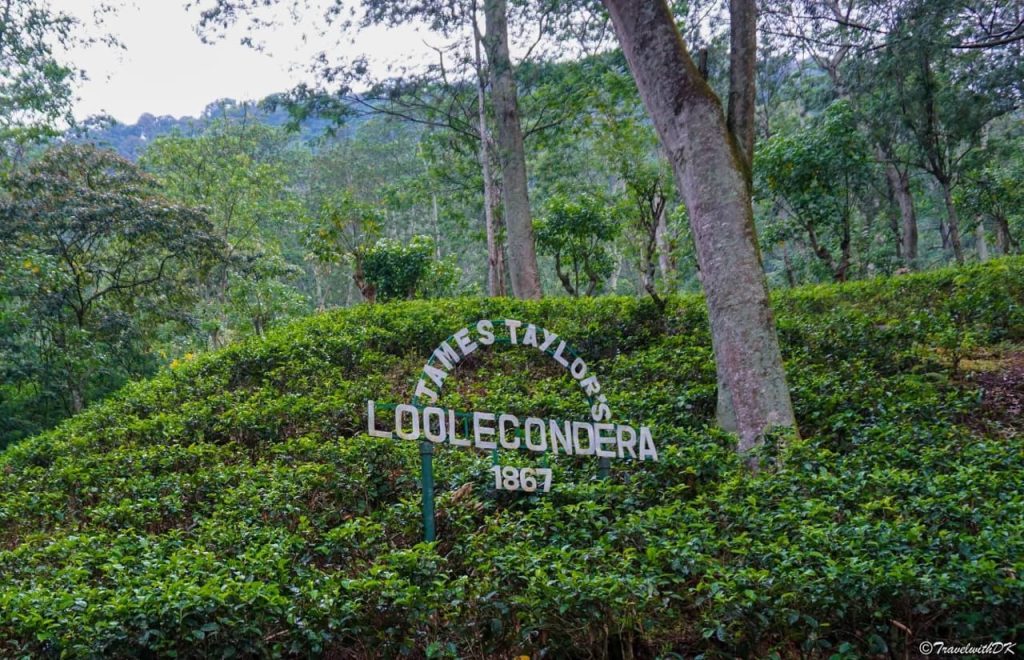
The story of Sri Lanka’s tea estates is deeply woven into the history, economy, culture, and identity of the island. Today, the emerald-green plantations stretching across misty mountains and rolling valleys are globally recognized as the home of world-famous Ceylon Tea. Yet behind this breathtaking landscape lies a remarkable journey shaped by colonial ambition, human resilience, and generations of tea craftsmanship.
The origins of Sri Lanka’s tea estates date back to the British colonial era during the 19th century. At that time, the island — then known as Ceylon — was initially cultivated for coffee production. Vast highland forests were cleared by the British to establish coffee plantations across the central hills. However, disaster struck when a fungal disease known as coffee rust devastated the coffee industry in the late 1860s.
Faced with economic collapse, British planters searched for an alternative crop. Tea soon emerged as the perfect solution. In 1867, the historic Loolecondera Tea Estate became the birthplace of commercial tea cultivation in Sri Lanka under the pioneering efforts of James Taylor. What began as a small experimental plantation would eventually transform the island into one of the world’s greatest tea-producing nations.
As tea cultivation expanded rapidly, the British invested heavily in the country’s infrastructure. Railways were constructed through difficult mountain terrain to transport tea from remote estates to Colombo harbor for export. Roads, bridges, banking institutions, and trade systems were developed to support the growing industry. These investments not only strengthened tea exports but also contributed significantly to the modernization of Sri Lanka’s economy.
The demand for Ceylon black tea quickly grew across the United Kingdom, Europe, America, Africa, and beyond. The rich flavor, bright liquor, and distinctive aroma of Ceylon Tea made it one of the most sought-after beverages in the world. As exports increased, tea estates expanded into the highlands and southern regions, gradually covering vast landscapes with neatly cultivated tea bushes.
Large plantations were organized into estates, many of which still operate today. These estates were often isolated in dense mountainous terrain and faced enormous challenges during their early years. Plantation owners struggled with harsh weather conditions, difficult transportation, factory construction, and threats from wild animals roaming the forests.
One of the most significant chapters in the story of Sri Lankan tea estates was the arrival of Indian Tamil labourers. Tea cultivation required a large and disciplined workforce, but the local Sinhalese population was traditionally engaged in paddy farming, vegetable cultivation, and village-based agriculture under feudal systems. Plantation work was unfamiliar to them.
To meet the increasing labour demands, the British brought thousands of South Indian Tamils to Sri Lanka during the 19th and early 20th centuries. These workers became the backbone of the tea industry. Living in estate line rooms and working under difficult conditions, generations of Tamil tea workers contributed immensely to the success and global reputation of Ceylon Tea. Their culture, traditions, and sacrifices remain deeply connected to the identity of Sri Lanka’s tea country even today.
Following independence, Sri Lanka’s tea industry experienced major political and economic changes. During the early 1970s, the government nationalized many privately owned tea, rubber, and coconut estates. However, under state management, many plantations declined due to inefficiencies and lack of investment. By the 1990s, the estates were re-privatized and reorganized under consolidated plantation companies and private ownership structures. These reforms helped modernize the industry and restore productivity.
Today, Sri Lanka’s tea estates are concentrated mainly within the Central, Uva, Sabaragamuwa, and Southern provinces. Estates across regions such as Nuwara Eliya, Dimbulla, Uva, Kandy, and Ruhuna each produce teas with unique flavors influenced by altitude, climate, rainfall, and soil composition.
In addition to the large-scale estates, small tea holders now play an extraordinary role in Sri Lanka’s tea economy. According to industry statistics, smallholders contribute more than 70% of the country’s total tea production. These family-owned tea gardens represent the future strength of the industry, combining traditional cultivation methods with modern agricultural practices.
Beyond tea production, Sri Lanka’s estates have also become an important part of tourism and cultural heritage. Many colonial-era tea bungalows have been transformed into boutique luxury hotels overlooking panoramic plantations and misty mountain landscapes. Visitors from around the world travel to experience the beauty and history of Sri Lanka’s tea country.
Several tea factories have opened their doors to tourists, offering guided factory tours that demonstrate the complete tea manufacturing process — from plucking and withering to rolling, oxidation, firing, grading, and packing. Guests can witness tea production firsthand, learn the art of tea tasting, and purchase authentic Ceylon Tea directly from the source.
Among the most famous tea experiences are the Hantana Tea Museum, Halpewatte Tea Factory, and the beautifully renovated Damro Labookellie Tea Centre. These destinations preserve the legacy of Ceylon Tea while introducing modern travelers to the island’s rich tea heritage.
Today, Sri Lanka’s tea estates stand not only as centers of agricultural production but also as living symbols of history, resilience, culture, and craftsmanship. Every tea-covered hillside tells a story — a story of colonial beginnings, hardworking communities, evolving industries, and the timeless journey of Ceylon Tea from the mountains of Sri Lanka to teacups around the world.
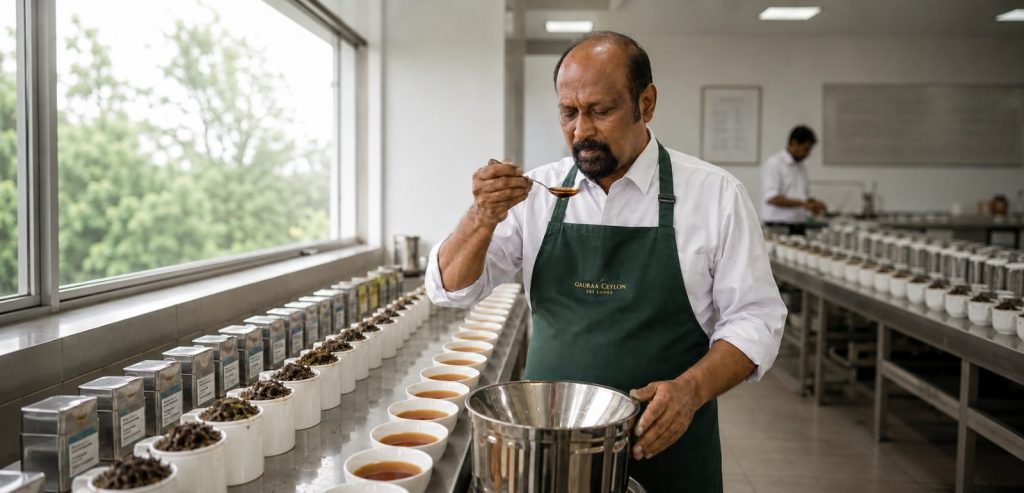
The Art of Tea Tasting with Our Tea Master – Mr. Anton Warnakula
In the world of premium Ceylon Tea, tasting is far more than simply drinking tea — it is a refined art, a disciplined science, and a lifelong mastery developed through years of experience. Behind every exceptional cup of tea stands the expertise of a professional tea taster who carefully evaluates quality, consistency, aroma, character, and flavor before the tea reaches consumers around the world.

At the heart of this craft is our Tea Master, Anton Warnakula, whose extraordinary knowledge and sensory precision help preserve the authentic quality and heritage of Ceylon Tea.
Tea tasting begins long before the tea reaches the cup. The quality of tea is influenced by many natural factors including the region where it is grown, altitude, rainfall, weather conditions, sunlight exposure, wind patterns, soil composition, and the manufacturing process itself. Every tea-growing district in Sri Lanka produces leaves with unique personalities and flavor characteristics. Recognizing these subtle differences requires years of trained observation and sensory expertise.
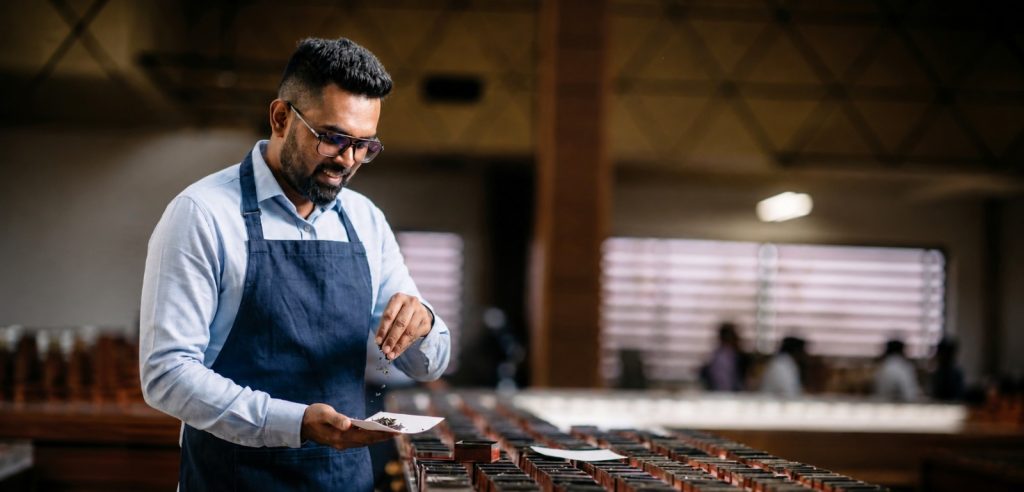
As a professional tea taster, Mr. Anton Warnakula carefully examines and categorizes multiple tea varieties and grades before they are blended or sold. Tea tasting plays a vital role in ensuring that every batch maintains consistent quality and flavor standards. It also assists in selecting suitable teas for blending — the sophisticated process of combining different teas to create a unique final product or preserve the signature taste of an existing blend.
The science of tea tasting is internationally guided by ISO3103 standards established by the International Organization for Standardization. These standards outline a precise and controlled method for brewing and evaluating tea samples. Although the procedure may vary slightly between tea-producing countries, the objective remains the same: to assess tea fairly, consistently, and accurately.
The tasting process itself is meticulous and highly disciplined.
Each tea sample is prepared using approximately 2 grams of tea leaves infused in 150 milliliters of freshly boiled water. The tea is brewed in special porcelain tasting cups designed specifically for professional evaluation. The cup is covered and allowed to steep for five minutes, while the infusion is gently stirred midway through the brewing process to ensure even extraction.
Once infused, the liquor is poured into white porcelain tasting bowls, while the infused tea leaves are displayed separately on matching porcelain lids or saucers. At this stage, the Tea Master visually examines the infused leaf for consistency, texture, color, and appearance. The aroma rising from the leaves is carefully evaluated, revealing important clues about freshness, firing quality, and regional character.
The tea infusion itself is then inspected under light for brightness, clarity, color, body, and aroma. Professional tea tasters use specialized terminology to describe these qualities. Terms such as “bright,” “coppery,” “dark,” or “dull” help classify the tea before it is physically tasted. These descriptions are part of an international language understood throughout the tea trade.
The actual tasting process is one of the most recognizable aspects of tea tasting. The Tea Master sips the tea with a loud sucking sound — a technique deliberately used to aerate the liquid and spread it evenly across the tongue and palate. This allows every taste receptor to evaluate the tea’s complexity, briskness, strength, smoothness, and finish.
After evaluation, the tea is not swallowed but spat into a spittoon before moving to the next sample. This is essential because professional tasters may assess hundreds or even thousands of teas in a single session.
The tasting process helps identify a vast range of characteristics including freshness, fullness, harshness, briskness, aroma, and aftertaste. Technical terms are commonly used within the industry to define quality. For example:
- “Body” refers to the strength and fullness of the tea
- “Brisk” describes lively, bright, vibrant characteristics
- “Burnt” indicates tea that has been over-fired during manufacturing
- “Flaky” suggests a light, open leaf texture
- “Gray” may indicate excessive abrasion during sorting
- “Leafy” describes large and long leaf appearances
Tea quality is not judged by taste alone. Tea can also be visually inspected, smelled, and physically touched. Dry tea leaves are pressed gently by hand to assess freshness and texture. Fresh tea tends to remain resilient and less brittle, while stale tea becomes dry and crumbly. These tactile observations provide additional information about handling, storage, and manufacturing quality.
One of the greatest challenges in the tea industry comes during the weekly tea auctions, where approximately 10,000 to 11,000 tea samples may arrive for evaluation. From these, the Tea Master carefully selects which teas require detailed tasting based on current market demands and client orders. This rigorous process repeats continuously every week and plays a crucial role in determining tea prices and export quality.
In many cases, due to the enormous number of samples, professional judgment based on dry leaf appearance, aroma, and touch becomes just as important as the tasting itself. Years of experience allow the Tea Master to identify quality almost instantly through observation alone.
The responsibility of a Tea Master extends far beyond evaluation. It is a commitment to maintaining consistency regardless of seasonal weather changes, supply shortages, or varying crop conditions. Through skill, discipline, and sensory expertise, Mr. Anton Warnakula ensures that every cup of tea delivers the same exceptional quality and authentic Ceylon Tea experience expected by tea lovers around the world.
Tea tasting is therefore not simply a profession — it is a lifelong dedication to preserving the artistry, integrity, and timeless excellence of Ceylon Tea.
The Story of Tea & Health
For centuries, tea has been treasured not only for its flavor and aroma but also for its remarkable health-giving properties. When tea was first introduced to England from the East, it was promoted as a medicinal beverage believed to improve overall wellbeing. Early writings even described tea as “physician-approved,” recommending it as a drink capable of supporting health and vitality. Over time, scientific research and traditional wisdom alike have continued to confirm what tea lovers long believed — tea is one of nature’s most beneficial beverages.
At the heart of this wellness tradition is authentic Ceylon Tea from Sri Lanka, celebrated around the world for its purity, richness, and natural health benefits. From black tea and green tea to the rare silver tips of white tea, every variety carries its own unique nutritional and medicinal qualities.
The most widely consumed variety is Ceylon black tea, renowned for its bold flavor, bright color, and energizing character. Black tea naturally contains caffeine, yet the amount is significantly lower than coffee — usually less than half. This makes black tea an ideal beverage for those seeking natural energy and mental alertness without the harsher effects associated with excessive caffeine consumption.
One of the greatest strengths of Ceylon black tea lies in its powerful antioxidants, especially compounds known as Thearubigins and Theaflavins. These antioxidants help protect the human body from free radicals — unstable molecules believed to contribute to cellular damage, premature aging, and certain illnesses. Because of these properties, black tea is often associated with supporting the immune system and promoting overall wellness.
Ceylon black tea is also known for its heart-friendly qualities. The antioxidants present in the tea may help reduce cholesterol levels, support healthy blood circulation, and maintain balanced blood pressure. By helping keep blood vessels clearer and healthier, black tea contributes positively to cardiovascular health. Researchers also continue to study the possible role antioxidants may play in reducing inflammation and slowing abnormal cell growth.
Green tea, meanwhile, has become globally famous for its exceptional medicinal reputation. Sri Lankan green tea is especially valued for its strong flavor profile and deep green color preferred by many tea enthusiasts. Unlike black tea, green tea undergoes minimal oxidation during processing, allowing it to preserve higher levels of natural antioxidants known as catechins.
These antioxidants are closely associated with improving metabolism and supporting the body’s natural fat-burning processes. As a result, green tea is often enjoyed by those seeking a healthier lifestyle and weight management support.
Green tea is also believed to contribute positively to oral health by helping combat bacteria and viruses linked to gum disease, throat infections, and bad breath. In addition, many studies suggest that green tea may support brain function and cognitive health. Its natural compounds are thought to help reduce the risk of neurological disorders such as Parkinson’s disease and Alzheimer’s disease while enhancing focus and mental clarity.
Among the rarest and most luxurious tea varieties is white tea — especially the prized Silver Tips and Golden Tips sold at the Colombo Tea Auction. White tea is crafted from unopened tea buds that undergo minimal processing, preserving much of the leaf’s natural purity and nutrients. Because of this gentle manufacturing method, white tea is often considered one of the healthiest tea varieties available.
White tea contains an amino acid called Theanine, known for its calming and relaxing effects. This compound may help reduce stress, ease anxiety, and promote emotional balance. White tea is also rich in fluoride, tannins, and catechins — natural elements beneficial for dental health. Together, these compounds help strengthen teeth while combating sugar, bacteria, and acids harmful to oral hygiene.
Another important advantage of white tea is its exceptionally low caffeine content. Compared to black tea, green tea, and coffee, white tea offers a much gentler and smoother drinking experience, making it ideal for individuals wishing to limit their caffeine intake while still enjoying the wellness benefits of tea.
Across different cultures, tea is often enhanced with herbs and spices to create beverages with even greater health properties. Herbal infusions have long been part of traditional healing practices throughout Asia and beyond.
Chamomile tea, for example, is widely appreciated for its calming and soothing qualities. It is commonly used to reduce stress, relax muscles, ease menstrual discomfort, and improve sleep quality. Its gentle floral aroma creates a feeling of comfort and relaxation.
Ginger tea, another popular favorite in Sri Lanka and across Asia, combines the goodness of tea with the natural medicinal properties of ginger. Ginger is traditionally used to assist digestion, relieve joint pain, reduce nausea, and help the body fight colds and flu. Its warming nature makes it both comforting and invigorating.
Tea therefore represents far more than a simple beverage. It is a natural source of energy, relaxation, nourishment, and wellness. Whether enjoyed as a strong cup of Ceylon black tea in the morning, a refreshing green tea during the day, or a calming white tea in the evening, tea continues to support health in meaningful ways.
From ancient traditions to modern scientific understanding, the story of tea and health remains timeless — a perfect harmony between nature, wellness, and the enduring artistry of Ceylon Tea.
The Story of Making Your Best Cup of Tea

The true art of tea lies not only in cultivating and crafting the finest leaves, but also in the way the tea is brewed. A perfect cup of tea is a harmony of many elements — fresh water, quality tea leaves, correct temperature, proper brewing time, and careful preparation. When these elements come together with patience and understanding, they create an experience that is comforting, aromatic, and unforgettable.
For generations, tea lovers around the world have perfected the ritual of brewing tea. Whether enjoyed during a peaceful morning, shared among friends, or served as part of a cultural tradition, the process of preparing tea has always been treated with care and respect. In the world of authentic Ceylon Tea from Sri Lanka, brewing tea is considered an art form in itself.
The journey to the perfect cup begins with the most overlooked yet most important ingredient — water.
Although tea leaves provide the flavor and character, water forms the foundation of the beverage. Freshly boiled water is essential because stale or re-boiled water loses dissolved oxygen and may develop concentrated minerals that affect the taste. Fresh water allows the tea to fully release its natural aroma, brightness, and flavor.
Water quality also plays a significant role. In some regions, mineral-heavy or calcified water can alter the delicate taste of tea, masking the refined flavors of premium Ceylon black tea. Clean, fresh water — either filtered or from a reliable source — ensures the tea maintains its intended purity and taste profile.
Temperature is equally important. For black tea, water should reach a full boil at approximately 100°C before being poured over the tea leaves. Removing the kettle too early may prevent the tea from brewing correctly and weaken its flavor and body. Green tea, however, requires gentler treatment. Water for green tea is ideally heated to around 90°C to preserve its softer taste and delicate antioxidants.
Just as important as water is the proper storage of tea itself.
Tea leaves are naturally absorbent and can easily take in moisture, humidity, and surrounding odors. Even the finest tea can lose its quality if stored incorrectly. To preserve freshness, tea should always be kept in a cool, dry place away from sunlight, spices, perfumes, or strongly fragranced items. Properly stored tea retains its natural aroma, flavor, and character for much longer.
Once both water and tea are ready, balance becomes the key to brewing perfection.
The universal measurement for a single cup of tea is approximately 220 milliliters of water to one tea bag or around 2.5 grams of loose Ceylon tea leaves. This ratio creates the ideal strength and flavor for most black teas.
Brewing time is another critical factor. For popular Ceylon black tea grades such as BOP Fannings and CTC teas, an infusion time of approximately 2 to 3 minutes is considered ideal. During this period, the tea gradually releases its color, aroma, body, and taste into the water. Brewing too briefly may result in a weak and flavorless cup, while excessive brewing can produce bitterness and overpowering strength.
Traditionally, the tea pot should always be covered during brewing. Covering helps retain heat and allows the tea leaves to infuse properly, ensuring the full extraction of flavor and aroma.
Across different cultures, tea brewing rituals evolved in fascinating ways. In Russia, for example, the famous samovar kettle was invented specifically to keep water continuously heated while allowing tea to brew for extended periods. Russian tea culture, much like the tea traditions of the Middle East and North Africa, developed a deep appreciation for strong, rich Ceylon black tea.
When brewed correctly, a perfect cup of tea reveals three essential qualities:
- A rich and inviting color
- A natural and refreshing aroma
- A balanced and satisfying taste
The complete process of preparing the perfect cup of Ceylon Tea is beautifully simple:
First, begin with fresh water that has not been previously boiled and contains minimal mineral content.
Next, prepare a clean tea pot. Warming the pot beforehand by swirling hot water inside helps preserve brewing temperature and enhances infusion quality.
Then add the tea leaves — approximately one teaspoon, 2.5 grams, or one tea bag per cup.
Pour freshly boiled water over the tea and immediately cover the pot. Allow the tea to brew for around 2 to 3 minutes depending on the tea variety and desired strength.
Finally, strain the tea or remove the tea bag and serve. Tea may be enjoyed plain or enhanced with sugar, milk, lemon, or other preferred additions according to personal taste and tradition.
In the end, making the perfect cup of tea is about more than following measurements or timing. It is a quiet ritual of patience, warmth, and appreciation — a moment where craftsmanship meets comfort.
Every cup of authentic Ceylon Tea carries within it the journey of the tea gardens, the skill of the tea makers, and the timeless tradition of tea culture. When brewed with care, tea becomes more than just a drink — it becomes an experience.